Join us in strengthening the programs that carry children forward — so every learner is seen, supported, and given the chance to thrive.


7 Things a Child Never Says Out Loud But Every Educator Should Hear
There are things children struggle to express not because they don’t feel them, but because they have not yet found the vocabulary for their inner world.
Across classrooms, community centers, and partner-run programs globally, children carry fears, gaps, and pressures that rarely make it into spoken language.
But educators, mentors, and community workers see these silences every day.
Support A Dream exists to strengthen the programs and people who stand closest to these children. Here we capture the truths children rarely voice… but every educator, partner organisation, and program leader must understand.
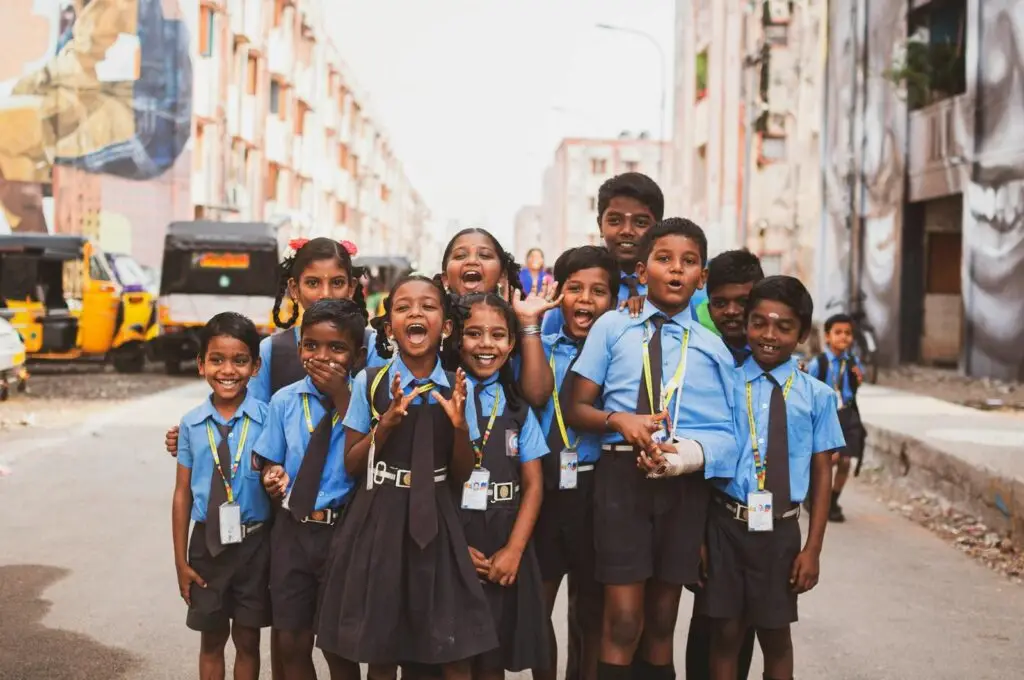
Children seldom admit fear. Yet repeated academic struggles create a predictable loop:
Fear → avoidance → wider gaps → deeper fear
This is frequently mistaken for disinterest or lack of motivation. In reality, it reflects an erosion of confidence.
Support A Dream invests in programs that prioritise psychological readiness, not only instruction. By enabling partners to offer structured, confidence-building learning environments, we help interrupt cycles of disengagement before they solidify.
Learning cannot compete with basic physical and emotional needs. Hunger, fatigue, and stress dilute attention even in the most motivated child.
Our partner organisations consistently report this silent conflict between a child’s physical reality and academic expectations.
Through program support including foundational kits, supplementary materials, and stability tools — Support A Dream strengthens interventions that rebuild life readiness, ensuring children can meaningfully benefit from the learning opportunities before them.
Children rarely name the discomfort of lacking essential materials. They won’t say, “I didn’t bring a notebook,” or “I couldn’t afford a pencil.” Instead, they withdraw into behaviours adults often misread sitting unusually still, avoiding group activities, or shrinking their presence so no one notices what they’re missing.
Educators across our partner programs see this pattern repeatedly:
Support A Dream works with partner organisations to ensure these small but significant barriers never block learning.
A child cannot aspire to possibilities they have never seen.
Capability is often not a function of skill, but of exposure.
Mentorship, role modelling, and guided awareness allow children to conceptualise futures beyond their immediate environment.
Support A Dream funds programs that integrate mentorship and exposure pathways, giving children access to perspectives, guidance, and aspirations that reshape how they view themselves.
Silence can be a child’s first form of self-protection.
Past experiences of embarrassment or correction teach them that questions reveal gaps and gaps invite judgment.
Programs supported by Support A Dream intentionally cultivate psychological safety.
Here, questions are encouraged, mistakes are normalised, and learning is separated from fear. This shift in environment transforms not only academic outcomes, but a child’s entire relationship with learning.
The period after school hours is where most learning loss occurs:
• Homework without support
• Household responsibilities
• Crowded or unstable study environments
• No structured academic routine
Educators repeatedly affirm: children do not fall behind during class; they fall behind after it.
Support A Dream strengthens partner-led interventions that operate in these critical hours evening learning programs, community study spaces, and structured after-school support ensuring continuity where gaps typically widen.
Children do not require perfect systems.
They require that we believe in their potential.
One teacher.
One mentor.
One program leader.
One steady presence.
Support A Dream exists to reinforce these adults and the organisations behind them providing resources, structural support, and tools that allow them to remain anchors in a child’s educational journey.
Across geographies and cultures, underserved children express the same underlying needs often without words: such as access , a sense of belonging, consistency , emotional safety, tools, mentorship.
Education is shaped by the ecosystem surrounding a child the stability, the encouragement, the support structures, and the adults who stand beside them.
Support A Dream’s program model is built on this understanding.
It does not arise from theory, but from persistent engagement with educators and program leaders who interpret the silences children cannot.
Support A Dream does not directly run learning centers or classrooms.
We reinforce the work of those who do.
Our program support framework responds to each unvoiced need enabling partners to provide structured, confidence-building support for children at risk of falling behind.
• Ensuring no child withdraws due to lack of materials.
• Supporting programs that help children see and understand their own potential.
• Strengthening partner-led spaces where curiosity can flourish without fear.
• Filling the critical gap where most learning loss occurs.
The greatest threat to a child’s learning is not a lack of intelligence, but the accumulation of barriers that remain unaddressed: small disruptions, silent inequalities, and moments of exclusion that eventually become structural.
Support A Dream is committed to ensuring these barriers are neither overlooked nor normalized. By strengthening programs, educators, and community organizations, we help create environments where early challenges are identified, not ignored and where meaningful support reaches the child before disengagement becomes irreversible.
When we act early, we change what is possible.
Join us in strengthening the programs that carry children forward — so every learner is seen, supported, and given the chance to thrive.
Your support helps build futures rooted in dignity, care, and opportunity for every learner.
Why ages 13–21 are the most fragile and most powerful phase in a student's life.
Read more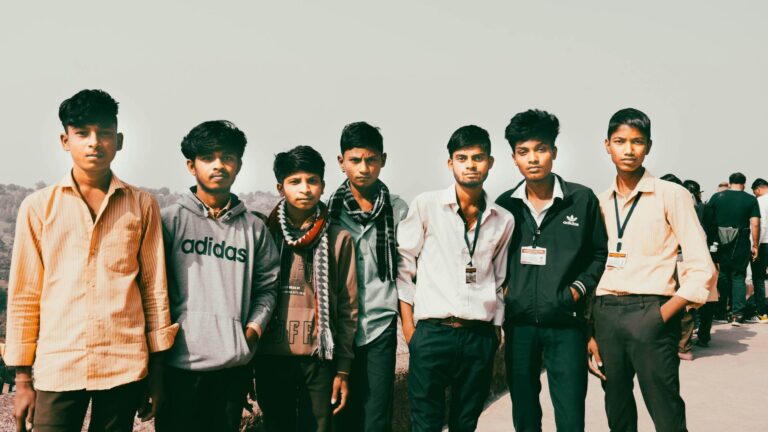
Our newsletter — stories, progress, and what we're learning.