

Frequently Asked Questions
Answers to how learners are selected, how contributions are used, how young people are safeguarded, how we measure impact, and more.
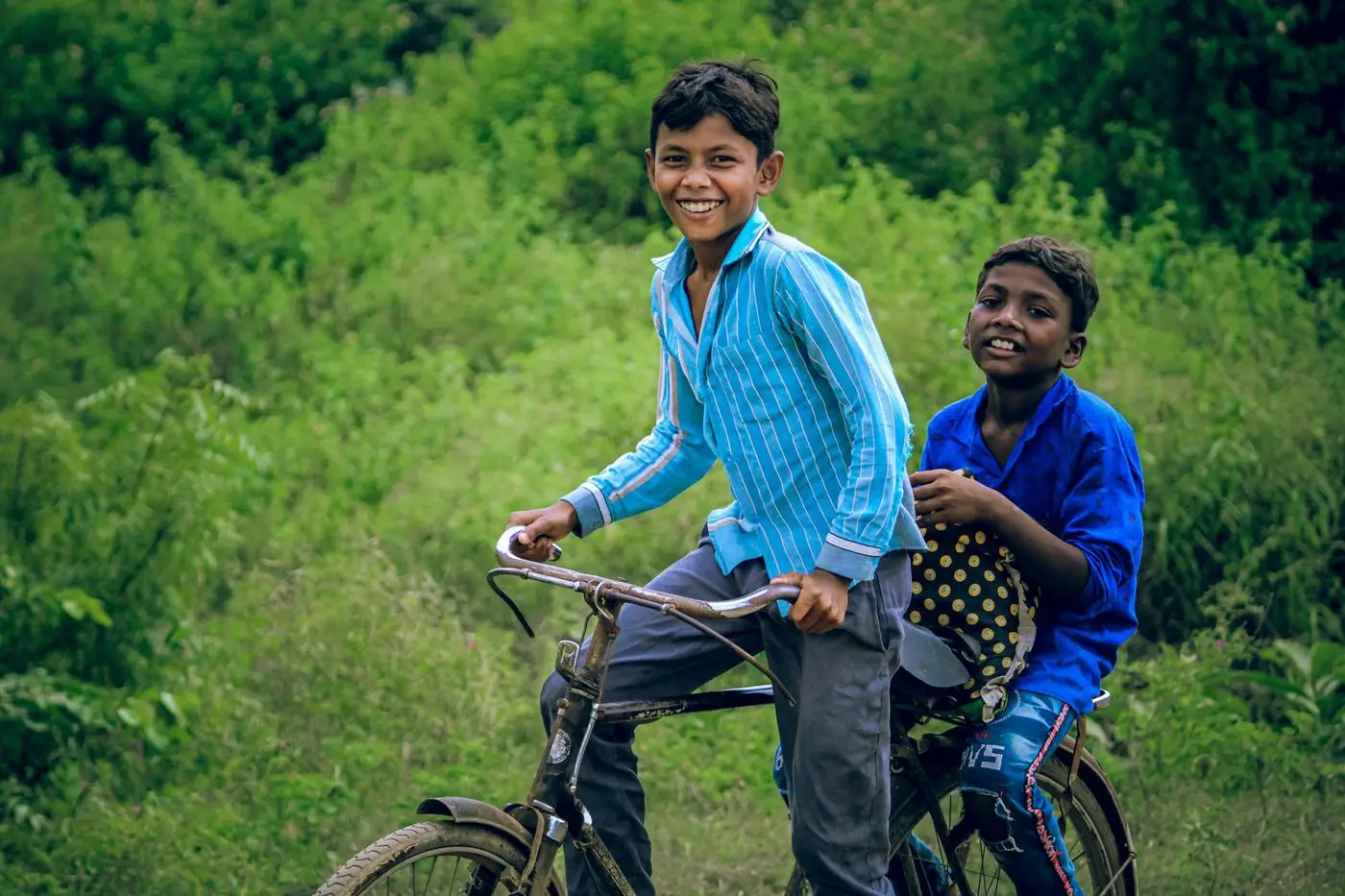
We follow a structured, multi-step selection process focused on students in their adolescent and young adult years who are navigating critical education and transition stages. Learners are identified through trusted schools, community organizations and institutional partners. Selection considers academic context, motivation, financial need and readiness to benefit from sustained educational, skill-building and mentoring support.
Our focus is the adolescent and young-adult period — broadly ages 15 to 21 years — where transitions between school stages, higher education and early work decide so much of what follows.
No. Scholarships can form part of a learner’s pathway, but they are not the whole of it. We combine education continuity, digital and future skills, mentoring and wellbeing, and career and transition support — because a learner rarely faces only one barrier at a time.
Through our Monitoring, Evaluation & Learning framework: a baseline assessment at intake, an individual development plan, quarterly tracking, mentor and partner feedback, transition milestones, longitudinal outcomes and annual impact reporting.
Your contribution supports a learner’s continued learning and transition journey — including academic support, digital and future skills, mentorship and career-readiness program. It also helps sustain the guidance, counseling and enabling environments required during exam years, post-school transitions and early career decision-making.
sDream is a registered 501(c)(3) organization in the United States. All donations are fully tax-deductible for US taxpayers. For advice on your own circumstances, please consult your tax adviser.
Yes — and it is the most useful thing a supporter can do. A learner’s pathway runs across years, and multi-year commitments let program and partners plan properly rather than year to year. The Founding Circle exists for exactly this.
Yes. We share regular updates reflecting the impact of your support across education continuity, skill acquisition, transition outcomes and overall learner wellbeing. Updates respect learner privacy and are shared with consent, and where appropriate in aggregate.
We partner only with schools, colleges, training institutions and organizations that demonstrate a strong commitment to student progression, wellbeing and long-term outcomes. Each partnership follows defined standards for program quality, learner safety, accountability and measurable progress through key education and career milestones.
Program are delivered on the ground by credible implementation organizations already embedded in the communities where learners live. Support A Dream resources, monitors and strengthens those organizations rather than building parallel institutions. We partner exclusively with established, FCRA-compliant NGOs, so all transfers to India are FCRA-compliant.
Yes. Schools, colleges and training institutions committed to inclusive learning and genuine student progression are among our most important partners — for identifying learners, tracking progress and supporting transitions.
Yes. Corporate and institutional champions contribute skills, mentoring, funding, professional exposure and sustained engagement. Employee mentoring, workshops and workplace exposure are often more valuable than a check alone.
Many roles can be done remotely — career mentoring, digital-skills sessions, interview workshops, research and pro-bono professional support among them. Availability depends on the role and the delivery partner. Roles involving contact with learners require safeguarding checks regardless of whether they are remote or in person.
Safeguarding standards apply to everyone working with learners. Roles involving direct contact require background checks. Mentoring boundaries are defined and trained. There are clear routes to report a concern, and concerns are escalated rather than absorbed. Dignity and safety take precedence over storytelling, fundraising and visibility.
Stories are published only with informed consent. We do not fabricate details or outcomes. Where a story is illustrative rather than about a named individual, we say so plainly on the page. Supporters do not receive direct or unrestricted access to a learner or their records.
Every partnership follows defined standards for program quality, learner safety, accountability and measurable progress. Due diligence covers governance, finances, safeguarding and delivery capability before a partnership begins, and quarterly monitoring continues throughout.
Our newsletter — stories, progress, and what we're learning.